Birch Tree Pruning Calendar: When to Cut for Healthy Growth

A birch is easy to love and easy to wound. The bark peels in papery ribbons, the canopy shifts in the lightest breeze, and the tree asks for almost nothing — until you take a saw to it in the wrong month. Then the sap runs, the cut weeps, and you spend the rest of the season wondering whether you have done real damage. Most birch pruning mistakes are not made with the blade. They are made with the calendar.
What follows is a working calendar, built around how birch actually grows: when it moves water, when it seals a wound, and when its pests are looking for an opening.
Why Birch Responds Differently to the Saw
Three things separate birch from the plum or the apple you prune without much thought.
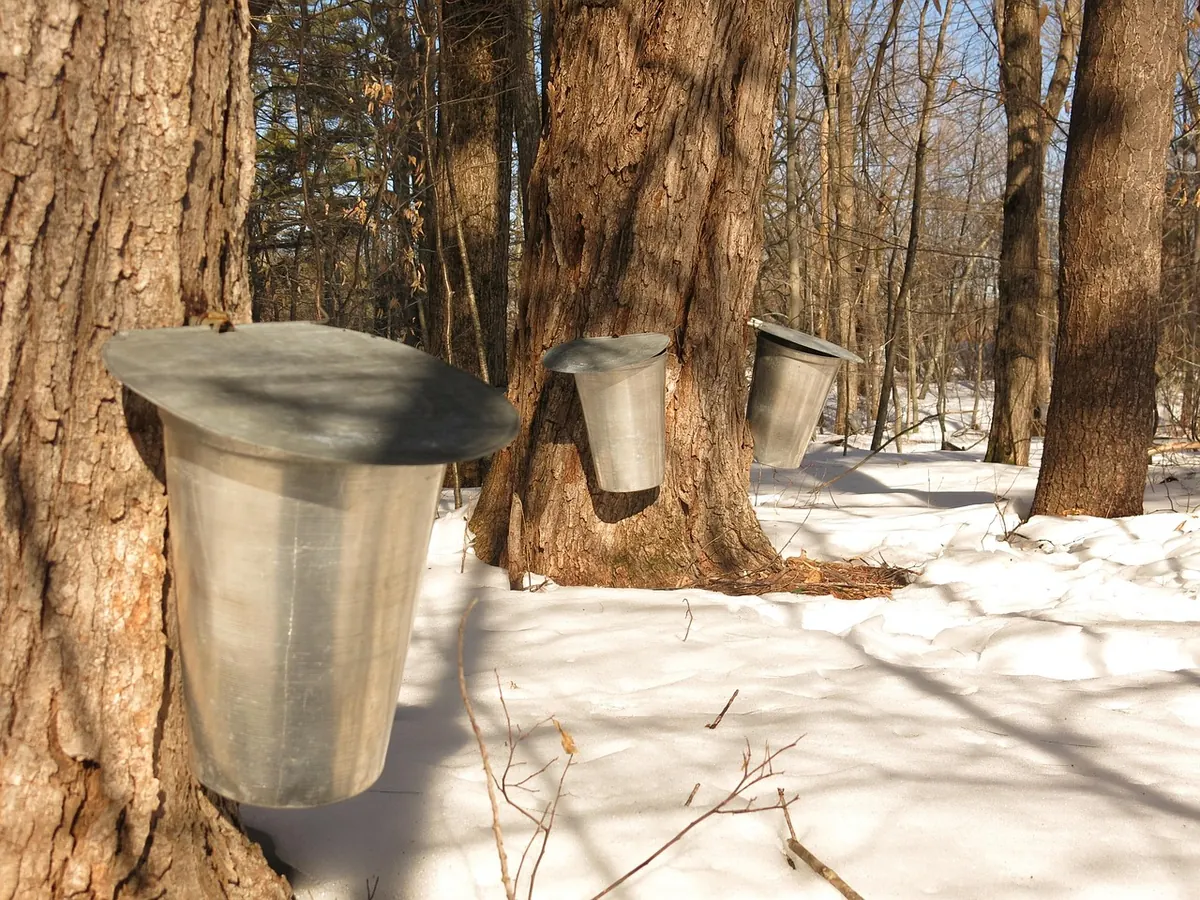
The first is sap pressure. Birch pushes sap hard in late winter and early spring, before the leaves are out. Cut a branch in that window and the wound can drip for days or weeks. Bleeding alone rarely kills a tree, but a wound that stays wet through cool, damp weather is slow to dry, slow to seal, and open to whatever lands on it.
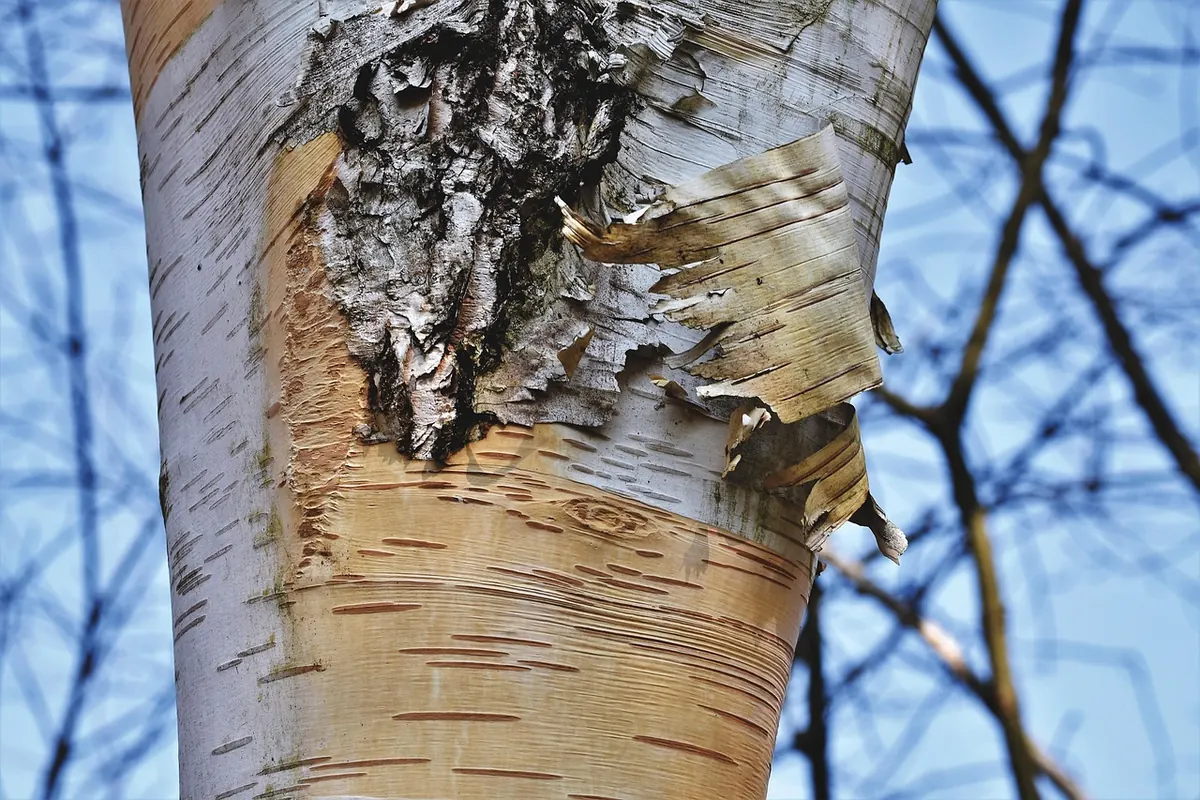
The second is the wood itself. Birch is softer and less able to wall off decay than many hardwoods. It does not neatly compartmentalise a bad cut the way an oak does; a large wound stays a liability for years rather than a season. The practical consequence is simple: fewer, smaller, better-placed cuts matter more on birch than on almost anything else in the garden.
The third is pests. In regions where bronze birch borer is present, stressed trees and fresh wounds are exactly what the insect is looking for. A birch already unhappy about drought or thin soil does not need a saw cut added to its problems in the middle of the flight season.
Late Winter: The Main Window
For most gardeners, the cleanest window sits in late winter, while the tree is fully dormant and before sap begins to rise. In mild coastal areas and central Italy that usually means January to mid-February. In alpine valleys and colder northern gardens, it stretches from February into early March. Local conditions beat the calendar: a sheltered south-facing garden warms weeks before a frost pocket two valleys away.
Why this window? The framework is bare, so you can see the shape you are building. Cuts are clean in cold wood. Nothing is flying or crawling. And the tree is about to start growing, which means the wound gets its first chance to close within weeks rather than months.
How late is too late?
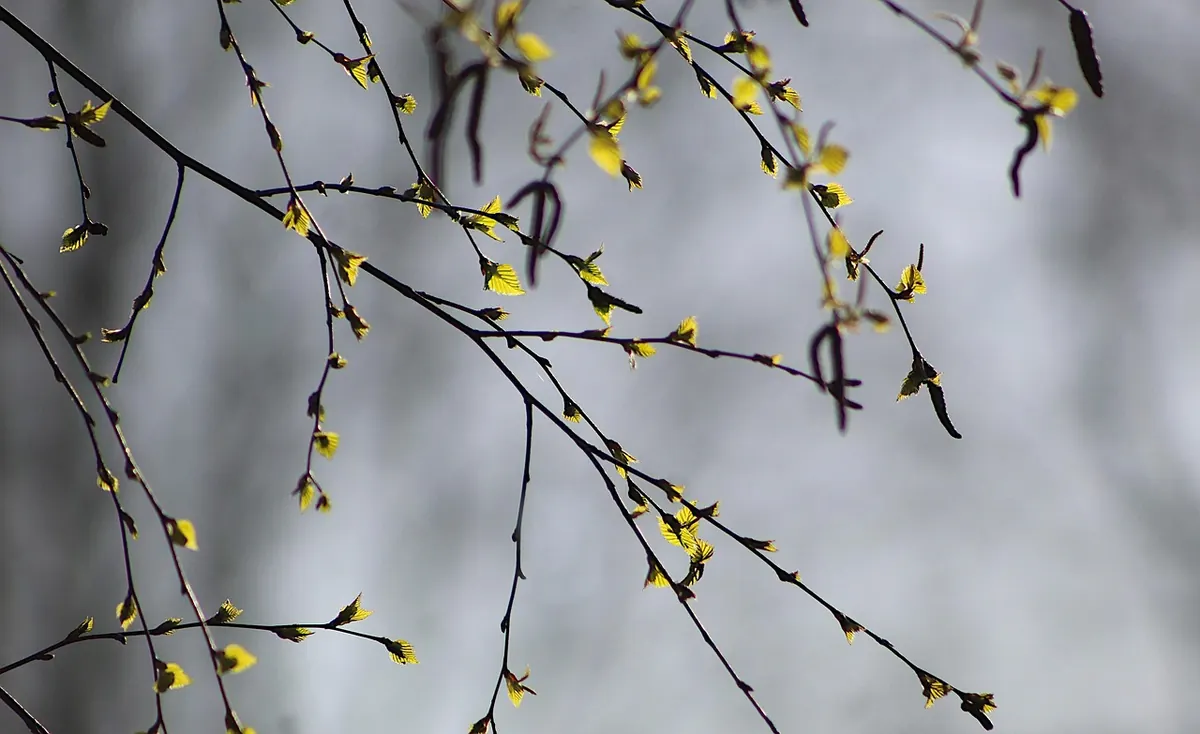
Watch the buds. When the tips begin to green up and swell, you are close to the edge. A simple test: make the cut you were going to make anyway on a small branch, and check it the next morning. If it weeps freely, stop and wait for early summer. If it stays dry, finish the job that day.
Keep the work modest. Remove dead, damaged and crossing branches first, then thin lightly for shape. On a young tree, resist the urge to tidy everything at once — a birch that loses a quarter of its live canopy in a single winter will spend the next season producing leafy growth instead of sturdy structure.
Early Summer: The Backup Window
Missed the winter? The second good window opens once the leaves are fully out and have toughened up — typically from mid-June through July, a little later in high, cool gardens. Sap flow has settled, the tree is growing actively, and warm dry weather helps a wound dry and callus quickly.
In areas where bronze birch borer is a known problem, ask your local extension service or a nearby arborist when adults are typically flying, and prune after that period rather than before. It is a small delay that avoids handing the insect a fresh wound at the worst moment.
What belongs on the summer list
Summer is the right time for the awkward jobs: a low limb over a path, a branch rubbing against a roof, a co-dominant stem on a young tree that needs one of the two removed, dead wood you did not get to in winter. Do this work in the morning on a dry day, and skip it entirely during a heatwave or drought — a thirsty birch should not also be asked to seal a wound.
The Seasons to Leave Alone
Avoid the sap-rise weeks entirely. That is the stretch from late winter bud swell through leaf-out, when the tree is moving water fast and a cut will weep. Nothing about a weeping cut is an emergency, but it is untidy, it weakens the tree slightly, and it can stain pale bark and paving.
Autumn and early winter are also best avoided for planned work. Wounds made then close slowly or not at all, and the tree goes into the cold with an open surface. Snow and ice loading on a recently thinned canopy does the rest. The one exception is safety: a storm-broken limb, a split stem leaning over a car or a door, a dead branch hanging above a footpath. Make a clean cut, leave no stub, and tidy the rest of the tree in the proper season.
Cuts to Avoid on Birch
- Topping and stub cuts. A birch does not regrow gracefully from a butchered top; it responds with a cluster of weak shoots from a wound that never closes properly.
- Flush cuts into the trunk. Cut just outside the swollen branch collar, not level with the bark. The collar is the tree's own seal.
- Removing too much at once. Keep to roughly a quarter of the live canopy in a single year, and less on an old or struggling tree.
- Taking a big limb in one go. If a branch is approaching a third of the trunk's diameter, reduce it over two or three seasons — or bring in a climbing arborist.
- Wound paints and sealants. They trap moisture and interfere with the tree's own defences. Leave the cut bare.
- Spikes on a tree you intend to keep. Climbing spikes wound bark all the way up. Ropes and a proper climb, or a ladder for the low work.
- Cutting the leader on a young birch if you want the classic single-stem silhouette. Choose your form early and stick to it.
One rough rule of thumb for the unsure: if a cut would be thicker than your wrist, think again before making it.
A Quick Seasonal Reference
- January to mid-February: main dormant window in mild areas — structural work, dead wood, light thinning.
- February to early March: the same work in colder gardens, finishing before buds swell.
- Bud swell to leaf-out: no pruning. Sap is moving.
- Mid-June to July: backup window — awkward limbs, storm damage, corrections missed in winter. Later in borer regions.
- August: light deadwood removal if the weather is dry; nothing heavy during drought.
- September to December: hands off, apart from genuine safety work after storms.
A Simple Plan for the Year
Walk the tree twice a year with no tools at all — once in late winter, once in midsummer. Note what is dead, what crosses, what leans over the path. Then do the work in the next open window, in one session, with sharp tools and a plan. Sterilise the blade between trees, cut outside the collar, and step back every few cuts to look at the whole shape rather than the branch in front of you.
If the tree is large, near a building or power line, or if you would need to leave the ground to reach the cuts, that is a job for a qualified arborist — the timing advice above still applies, and you can ask for the work to be scheduled accordingly. Get the calendar right and a birch will forgive a great deal. Get it wrong and it will remind you for years.
Photo: uniquedesign52 / Pixabay