Common Mistakes When Growing Birch Trees in Containers
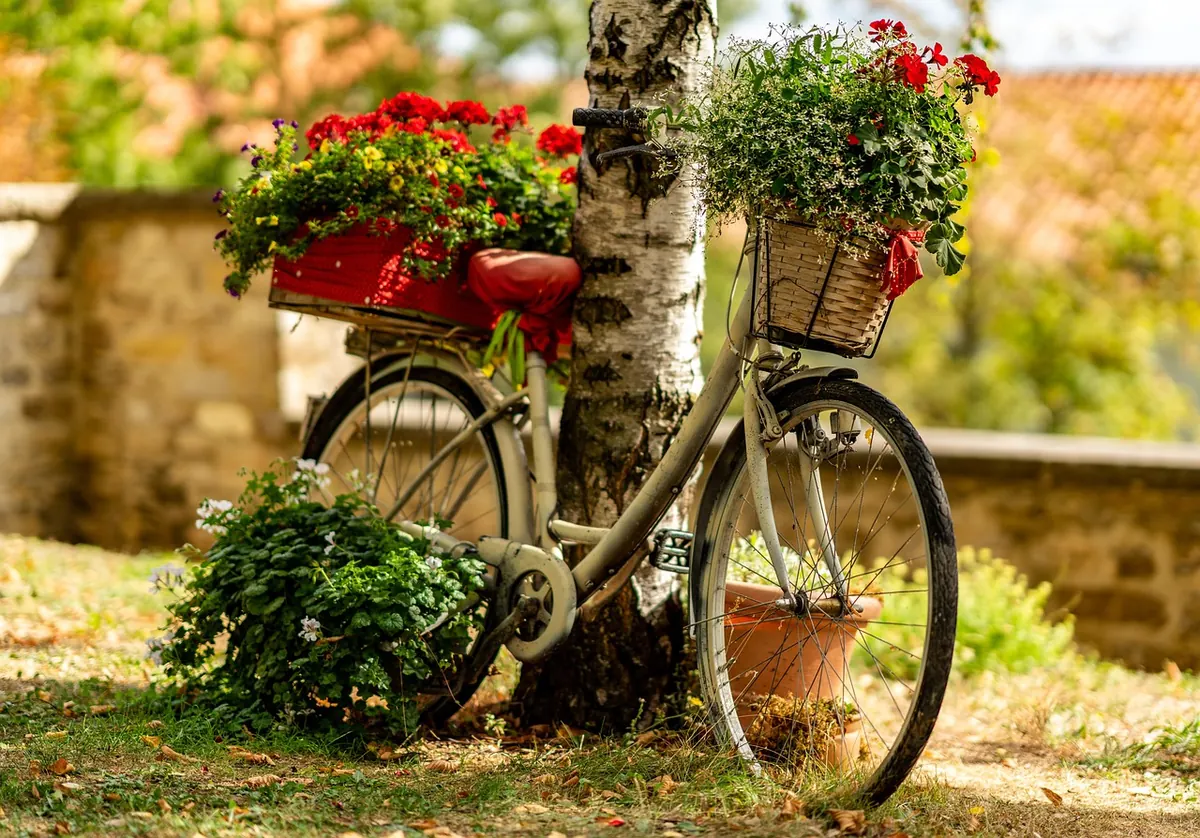
A birch in a container looks effortless in a photograph and turns out to be hard work in real life. The slender trunk, the airy canopy, the pot on a terrace — it reads as elegant minimalism. The tree, meanwhile, is doing what birches do: growing fast, spreading roots wide and drinking a great deal of water. Most problems with potted birches come from that mismatch rather than from bad luck or a fussy species. Once you know what usually goes wrong, the fixes are ordinary enough: a bigger pot, a steadier watering hand, a cooler root zone and a compost that suits a tree that prefers things on the acid side.
A pot that was too small from the start
Birches are quick. A young tree that filled a two-litre nursery pot in March can have roots pressed against the sides of a 30 cm container by August. The roots are fibrous and spreading rather than deep, so they circle the pot wall, mat together and eventually block drainage. By the following summer the compost has almost disappeared, replaced by a dense coil of roots that dries out within hours.
The early signs are easy to misread. You water in the morning and the pot is light again by mid-afternoon. Leaves look smaller than they should, or yellow off from the bottom up. Water runs straight through and out of the drainage holes because there is barely any compost left to hold it. In bad cases the pot bulges, cracks over winter, or roots appear through the base.
What to do about root space
- Move up in sensible steps rather than jumping from a small pot to a vast one, which leaves wet compost around a tiny rootball. Roughly 5–8 cm more diameter each time suits a young tree.
- If you want a permanent container, start with something generous — 45–50 cm across for a small birch — and accept that it will be heavy.
- Repot every two to three years in late winter or early spring, just before growth restarts. Slice off the outer matted layer of roots, tease the rest apart, and use fresh compost.
- Choose a compact form if space is limited. Dwarf and small cultivars exist, and they are far more forgiving in a pot than a full-sized silver birch.
Watering on a rhythm of extremes
The classic mistake is not watering too much or too little; it is swinging between the two. A container dries from the top and from the sides, so a birch can go from comfortable to desperate in a day of sun and wind. Then, feeling guilty, we flood it. That cycle of drought and drenching is what produces the leaf drop in July, the crispy margins and the tired, sparse canopy by late summer.
Birches are thirsty trees with shallow roots, and a pot gives them almost no reserve. In warm weather, check daily, and twice a day during heat or strong wind. Lift the pot to judge its weight — it is more reliable than the surface, which can look damp while the middle is dry. Push a finger in a few centimetres; if it comes out dry, water slowly until it runs from the base, then empty the saucer half an hour later.
Overwatering is a real problem too
Constant sogginess looks different: yellowing lower leaves, a sour smell from the compost, fungus gnats, and a tree that wilts even though the soil is wet. That is a root problem, not a thirst problem. Check that the drainage holes are open, stand the pot on feet so it is not sitting in a puddle, and mix bark fines or grit into the compost to keep air in it. A 5 cm layer of bark mulch on the surface slows evaporation and keeps the top roots cool.
The wrong compost, and the pH question
Birches generally prefer acid to neutral soil. Alkaline compost, rubble dust around a patio, or very hard tap water can leave a tree with pale yellow leaves and green veins — chlorosis — and visibly weak growth. If your leaves look bleached rather than scorched, this is worth checking before you reach for fertiliser.
Use a loam-based or ericaceous-blended compost with plenty of bark, and top up with rainwater where you can. Avoid adding lime, and do not fill the pot with soil dug from the garden; it compacts, drains poorly in a container and can carry weeds and pests. Leave 3–4 cm of clear space below the rim so water has somewhere to sit while it soaks in.
Heat stress: the roots are cooking
A dark plastic pot in full sun on paving can get uncomfortably hot on the inside, well beyond air temperature. The tree above may look fine while its roots are being slowly cooked. Typical symptoms: wilting at midday even when the compost is moist, scorched foliage on the sunny side, a pot that feels hot to the touch, and leaves dropping in August.
The fixes are cheap. Switch to a light-coloured pot, or shade the container with hessian, a bamboo screen or a neighbouring planter. Stand it on pot feet so air moves underneath and it is not in contact with hot stone. A mulch layer helps, and moving the pot so it is shaded in the afternoon while the canopy keeps its sun solves most of the problem in one go.
Wind, wobble and staking done badly
Wind on a balcony or exposed terrace rocks the whole tree, and because the rootball moves with it, fine roots tear and the canopy dries out. Young birches also scorch quickly in cold spring wind. Stake the rootball itself, not just the trunk, and tie low and loosely with a flexible tie for the first season or two. A rigid, tight tie higher up creates a stiff tree with a weak trunk and a bruised stem. Shelter from the worst wind, but keep the light.
Feeding and pruning habits that backfire
More feeding is not better. Generous nitrogen produces soft, floppy growth that demands even more water and attracts aphids; it also ripens poorly before winter. Feed modestly from spring to midsummer — a slow-release granule or a liquid feed at the strength on the packet — then stop, so growth hardens. Never feed a dry or stressed plant; water first, and fix the cause before adding nutrients.
Pruning is the other easy error. Birches bleed heavily if cut in late winter or early spring while sap is rising, and they do not regrow well from big cuts or old stumps. Keep pruning to the minimum: remove dead or damaged wood in late summer, and leave the shape alone. Do not shorten the leader to keep the tree small — it rarely looks right afterwards.
A simple routine that keeps a potted birch happy
- Spring: repot if the roots have filled the space, refresh the top 5 cm of compost, mulch, and start feeding lightly.
- Summer: check moisture daily, water slowly and thoroughly, shade the pot in heatwaves and keep the saucer empty.
- Autumn: stop feeding, clear fallen leaves, check ties and stakes, and move the pot out of the windiest spot.
- Winter: raise the pot off cold paving, make sure it never stands in water, and insulate the container if hard frost is likely to freeze the rootball solid.
Be honest about the commitment. A potted birch will need watering more often than almost anything else on a terrace, and it will never look like the park specimen you have in mind. Given the right pot, a steady hand and a cool root zone, though, it can be a genuinely beautiful thing to have close to the house.
Photo: TillVoigt / Pixabay